


 2 years ago
 0 Comments

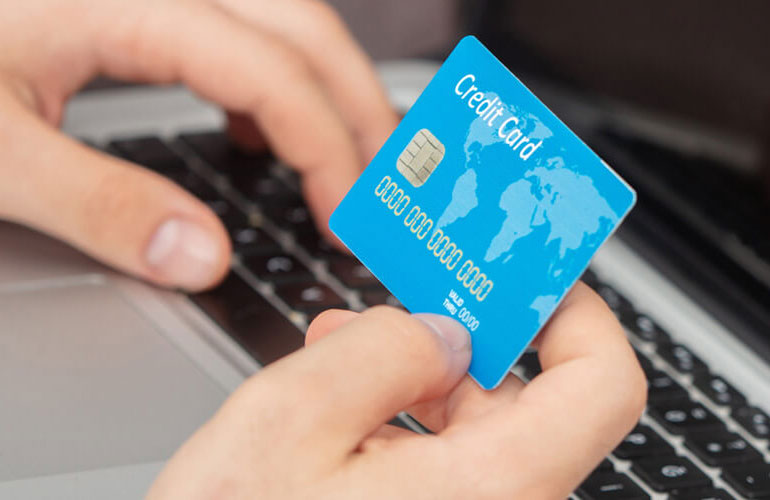


In today’s fast-paced, technology-driven world, the way we make payments is rapidly evolving. Traditional methods of handling money, like cash or checks, are gradually being replaced by digital payment systems that offer speed, security, and convenience. As consumers demand quicker and safer ways to complete transactions, the digital payment landscape is becoming the future of financial transactions.
A digital payment system is any type of payment made through electronic channels, which allows consumers and businesses to exchange funds without the need for physical cash. These systems leverage technology like the internet, mobile phones, and specialized apps to facilitate secure and seamless transactions.
Digital payments encompass various methods, such as:
Whether it’s making a purchase on an e-commerce site, paying for groceries with a tap of your phone, or transferring money to a friend via an app, digital payment systems are designed to offer a faster, more efficient way of handling financial transactions.
Gone are the days of waiting in line at the bank or rummaging through your wallet for cash. Digital payment systems make transactions faster and easier. Whether you’re shopping online or paying at a physical store, digital payments can be completed in seconds.
For businesses, adopting digital payment methods streamlines the payment process, reduces transaction times, and provides more flexibility for customers. The rise of contactless payments, QR code payments, and digital wallets further exemplifies this shift, where customers no longer need to carry physical cards or cash.
Security has always been a concern with traditional payment methods, whether it’s the risk of losing cash or the vulnerability of credit card fraud. Digital payments, however, offer enhanced security features such as:
These features make digital payment systems significantly more secure than traditional methods, reducing the risk of fraud and theft.
Digital payment systems break down geographical barriers, allowing individuals and businesses to transact with anyone, anywhere in the world. Whether you’re sending money to a friend in another country or making a purchase from an international e-commerce site, digital payments make cross-border transactions seamless and hassle-free.
For businesses, this accessibility means an opportunity to tap into global markets and reach more customers. In addition, digital payments make financial inclusion easier by enabling people without access to traditional banking services to participate in the global economy through mobile payment platforms and other digital payment methods.
For businesses, adopting digital payment systems reduces the operational costs associated with cash handling, paper checks, and bank visits. Transactions are processed quickly, and the need for physical infrastructure is minimized. Additionally, businesses can manage their transactions more effectively through integrated accounting software or payment platforms that provide real-time tracking and reports.
Digital payment systems cater to the modern consumer’s need for quick, hassle-free, and personalized experiences. With options like one-click payments, automatic billing, and recurring payments, customers can pay for products and services without having to re-enter payment details every time.
Moreover, digital payment platforms can offer rewards, cashback, and loyalty points, enhancing the overall customer experience and encouraging repeat business. Personalization and ease of use are key drivers in the adoption of digital payments.
Cryptocurrencies are quickly becoming a major player in the world of digital payments. With decentralized, blockchain-based currencies like Bitcoin, Ethereum, and others, people can make peer-to-peer transactions without the need for a central authority or traditional financial institution.
Cryptocurrencies offer fast, low-cost, and borderless transactions, making them a potential alternative for global payments. While still in the early stages of widespread adoption, cryptocurrencies are expected to play a significant role in the future of digital transactions.
As technology continues to evolve, the digital payment ecosystem is set to become even more advanced. Here are a few trends that are likely to shape the future of transactions:
AI and machine learning are being integrated into payment systems to enhance fraud detection and improve customer service. These technologies can analyze transaction patterns and detect unusual activity in real-time, alerting users and businesses of potential fraudulent transactions before they happen.
As security remains a top priority, biometric authentication (such as facial recognition, fingerprints, or voice recognition) is gaining traction as a secure and convenient way to authorize payments. These technologies provide another layer of security while enhancing the user experience.
With the rise of smart devices, voice-activated payments are becoming more common. Consumers can now pay for goods and services through voice assistants like Alexa or Google Assistant, simply by saying a command. This hands-free payment method will likely grow in popularity as voice-activated devices become more ubiquitous.
IoT technology enables devices to communicate with each other, and in the future, everyday objects like cars, refrigerators, and wearables will likely be able to make payments automatically. For instance, your car may automatically pay for parking or fuel, or your fridge could reorder groceries when supplies run low, all through integrated digital payment systems.
Contactless payments, already gaining popularity with mobile phones and credit cards, will continue to evolve with wearable devices like smartwatches and rings. This technology allows users to make payments simply by tapping or waving their device, offering greater convenience and speed.
 Tags:



Leave A Comment